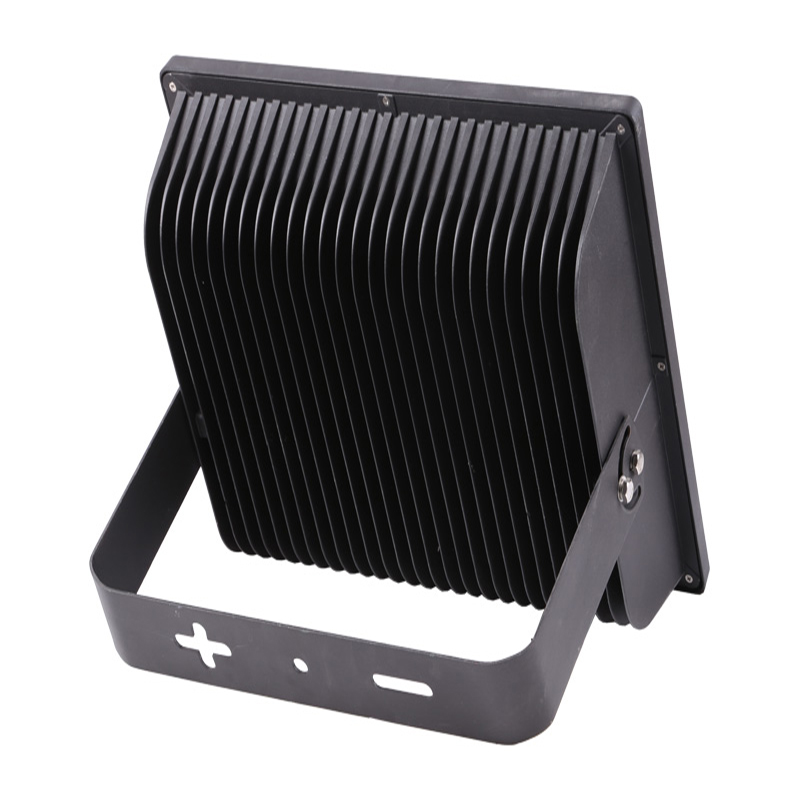
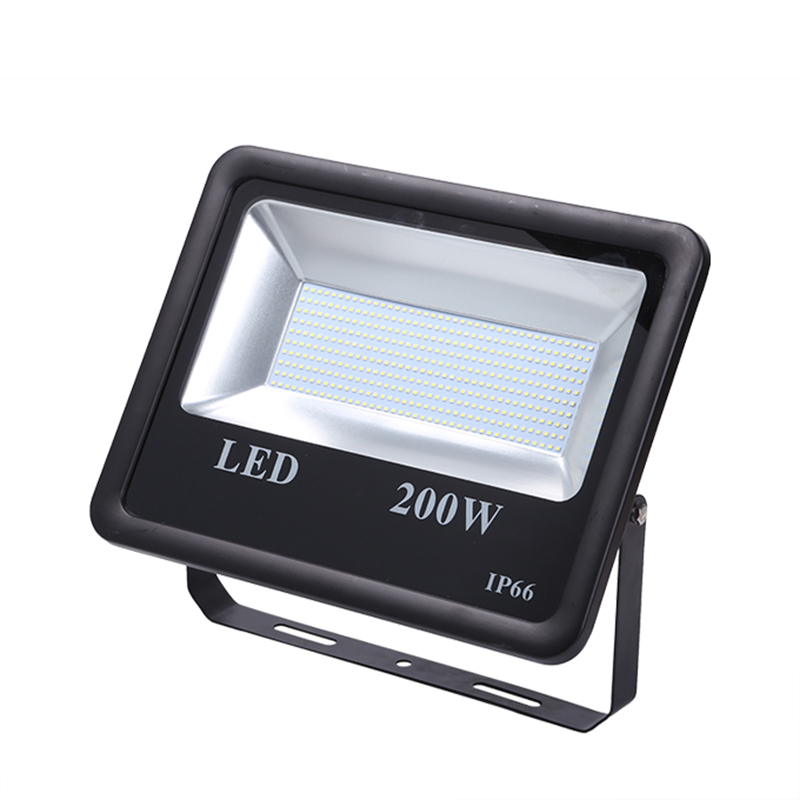
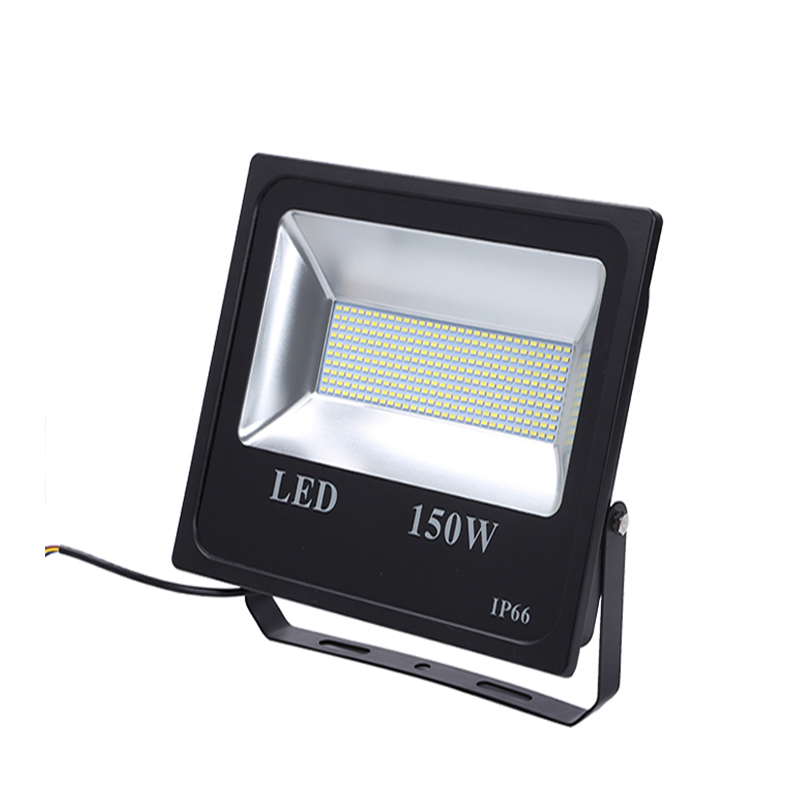
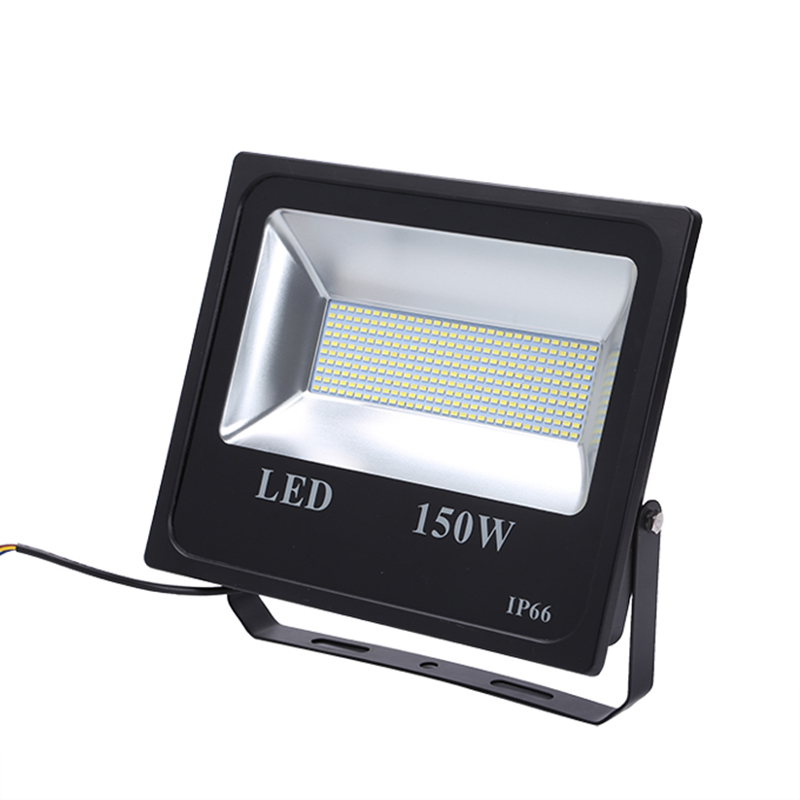
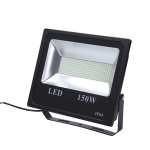
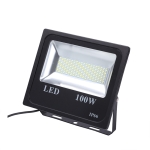
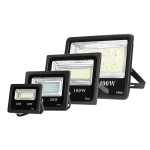
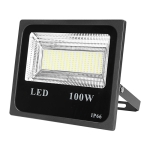
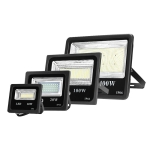
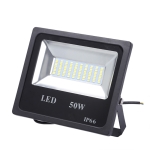
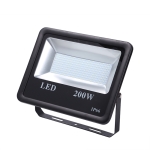
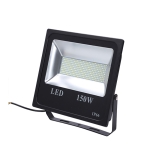
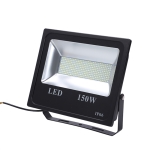
Led Flood light OYLF-009
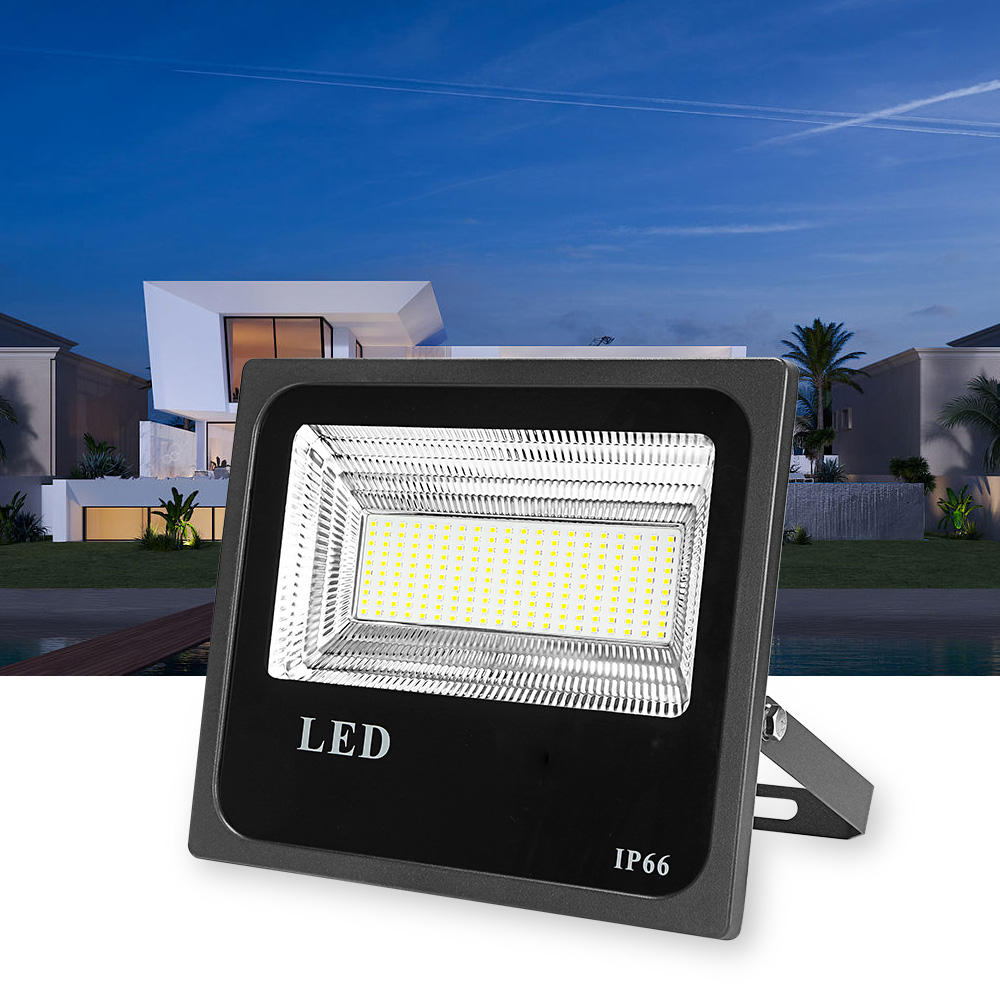
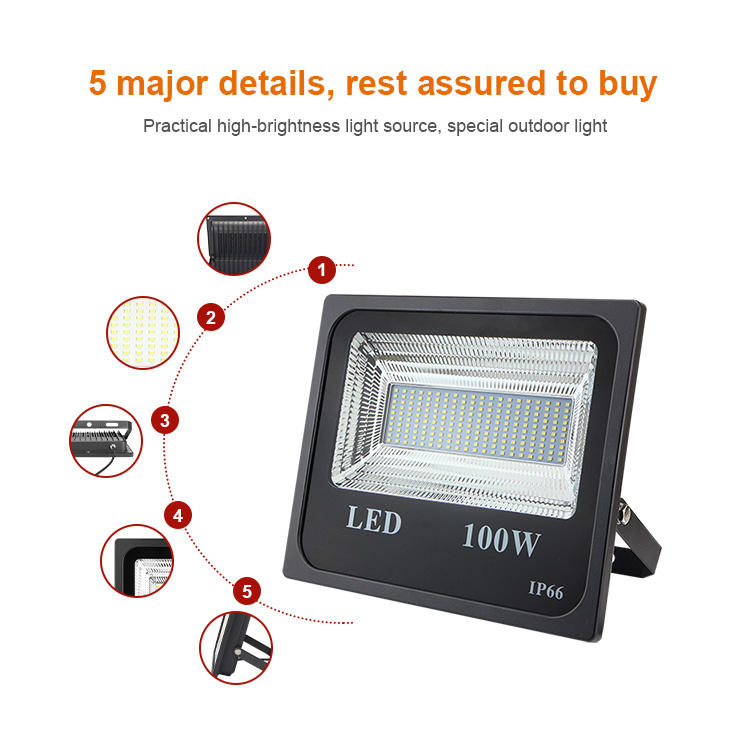
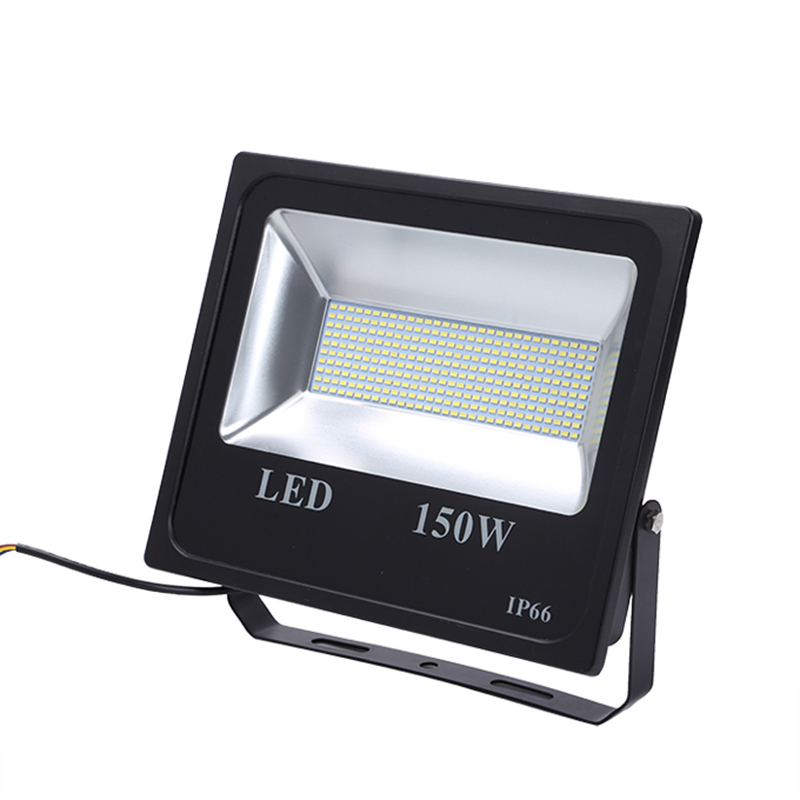
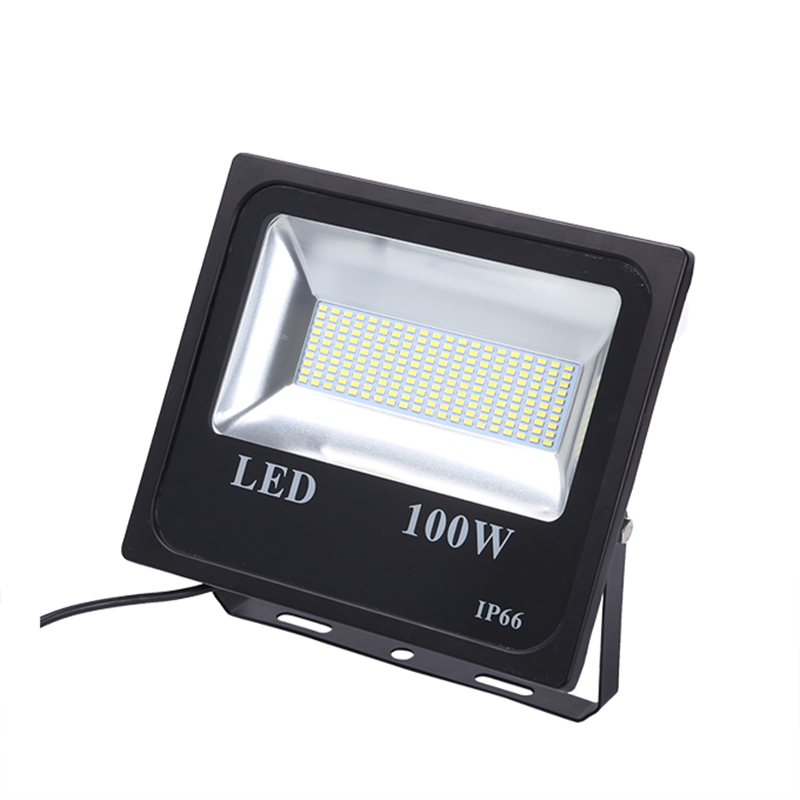
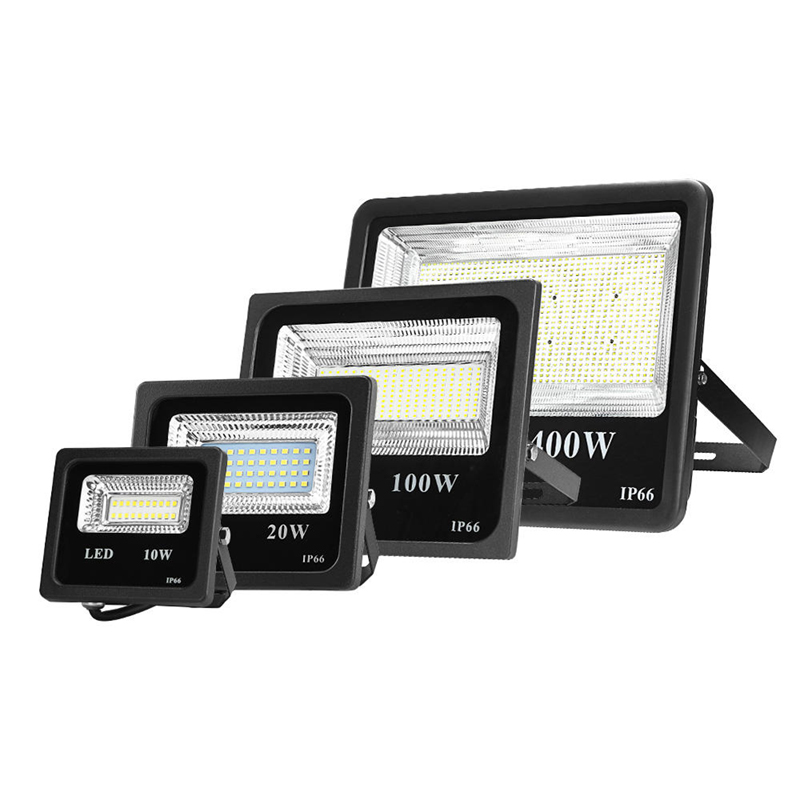
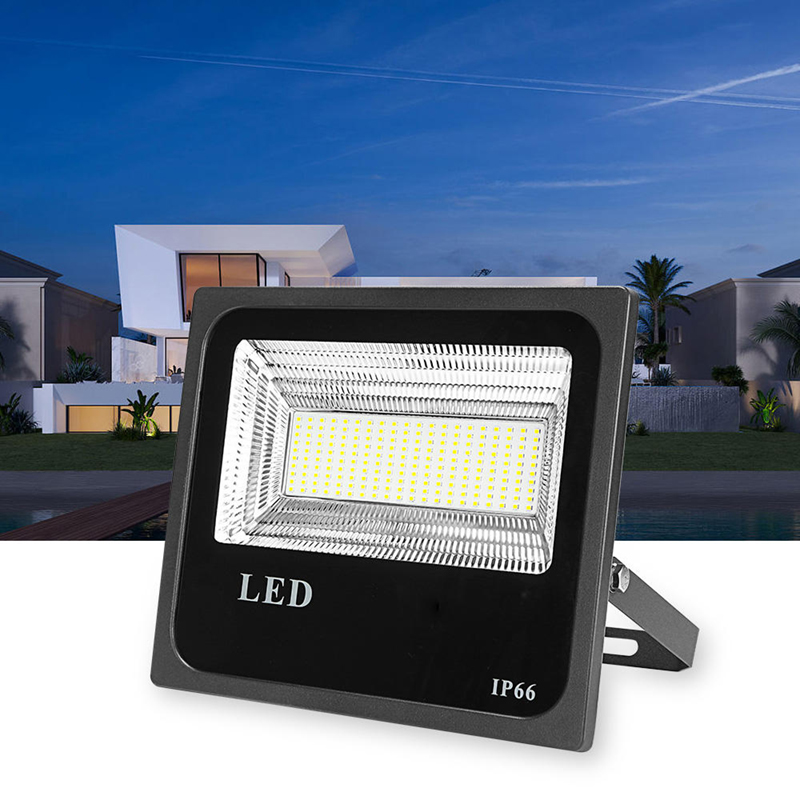
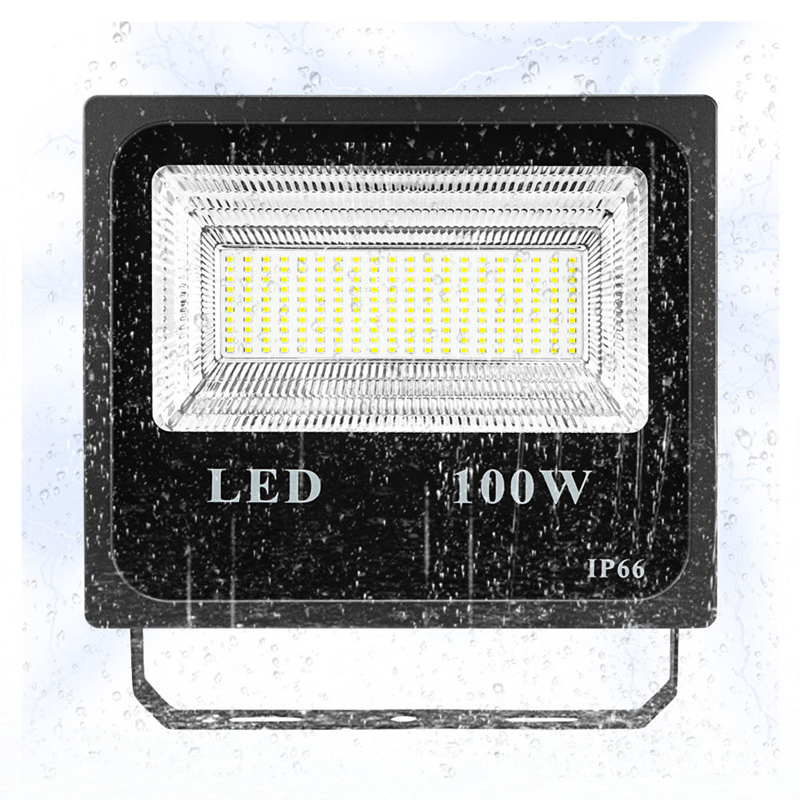
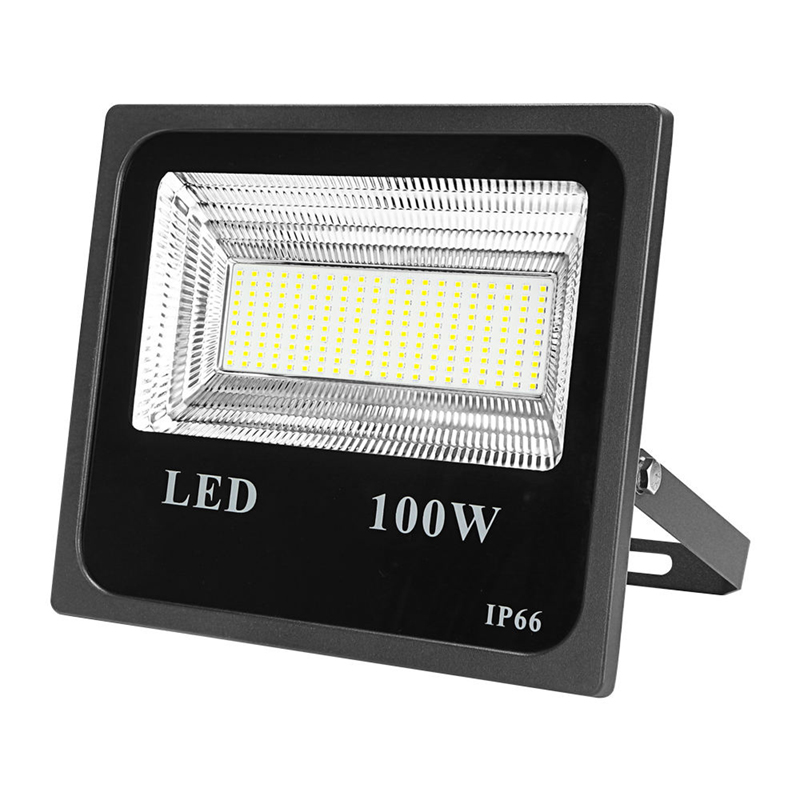
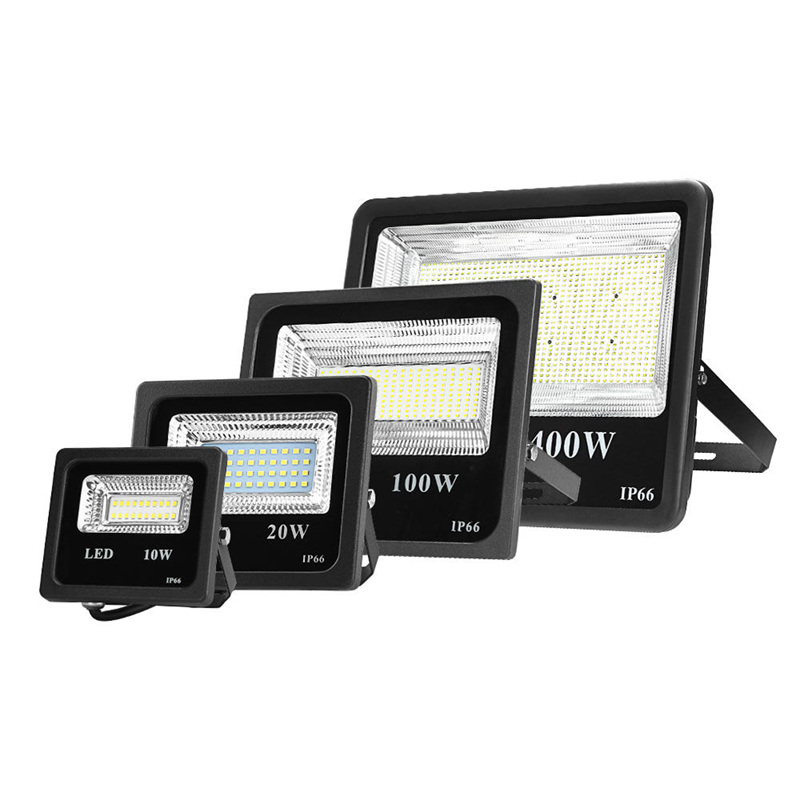
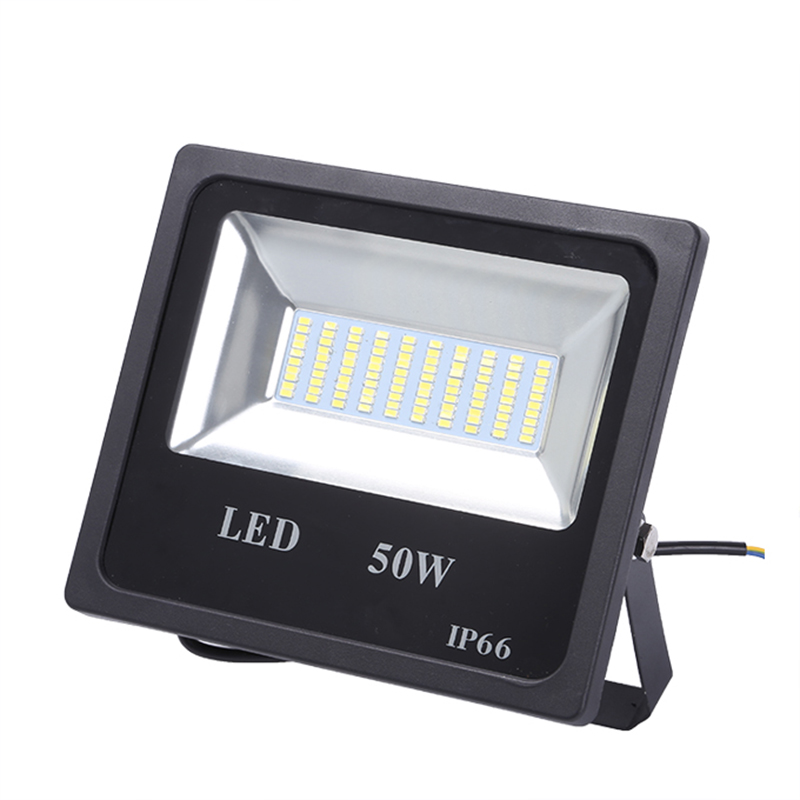
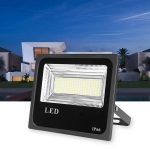
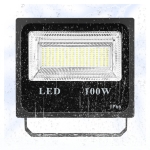
High-Quality Outdoor LED Floodlight is a professional lighting solution designed for industrial and commercial outdoor applications. Built with premium materials and advanced LED technology, this floodlight combines high brightness, energy efficiency, and durable performance to meet various outdoor lighting demands.
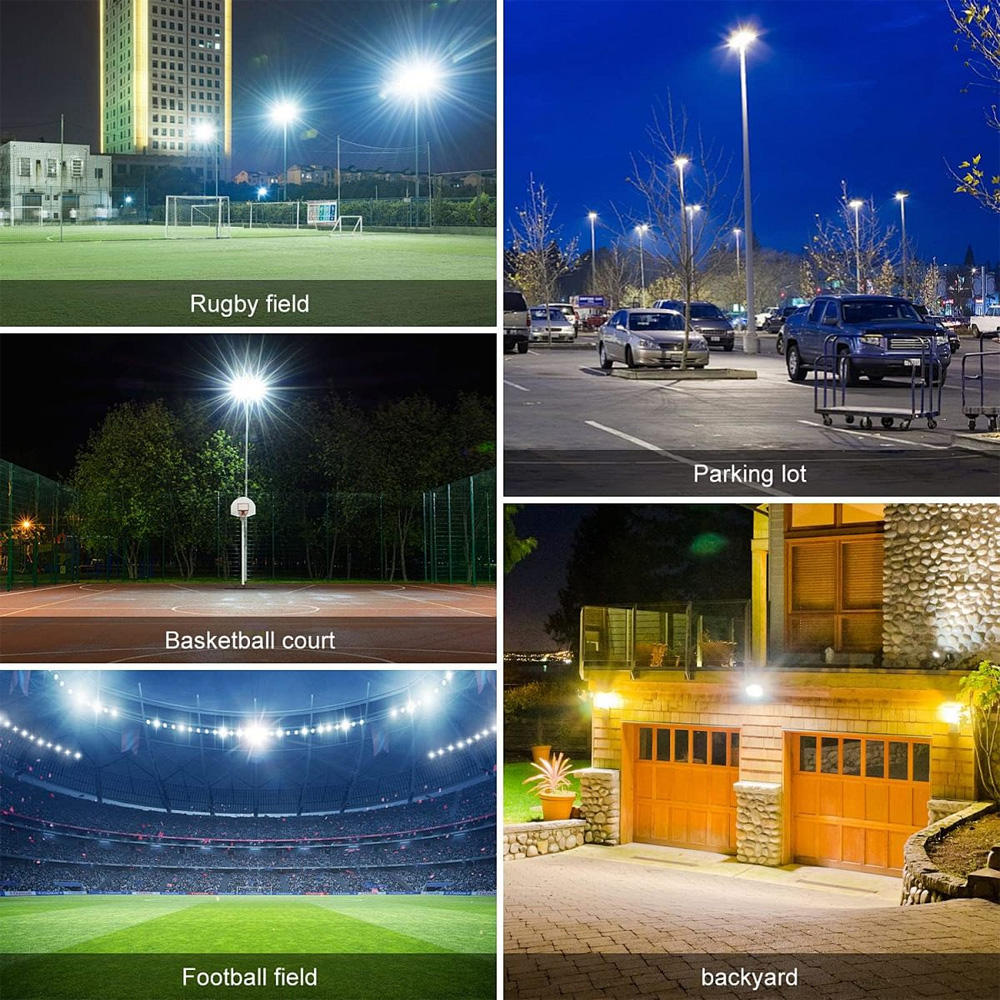
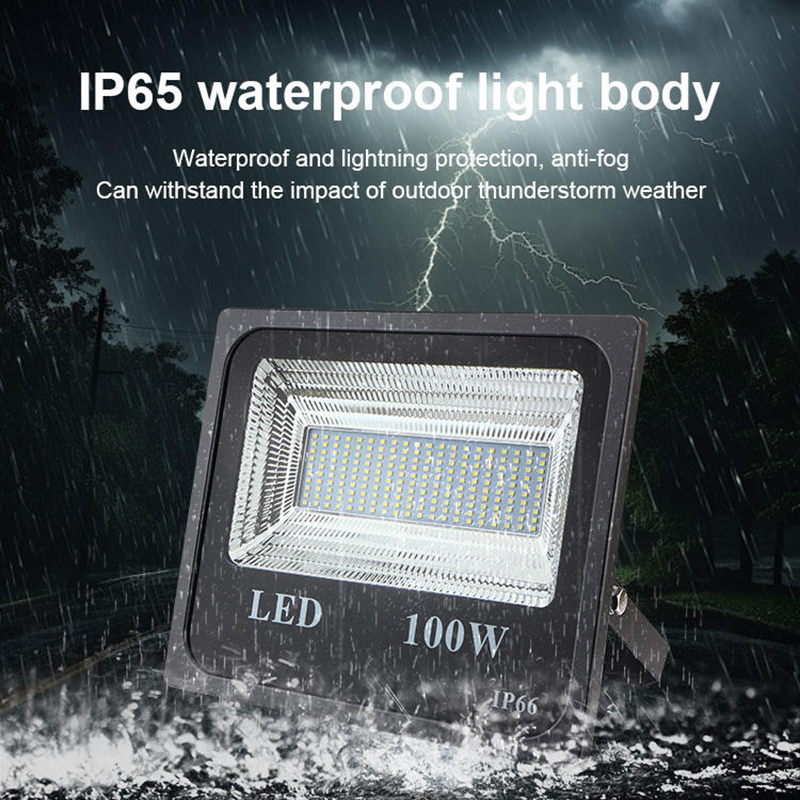
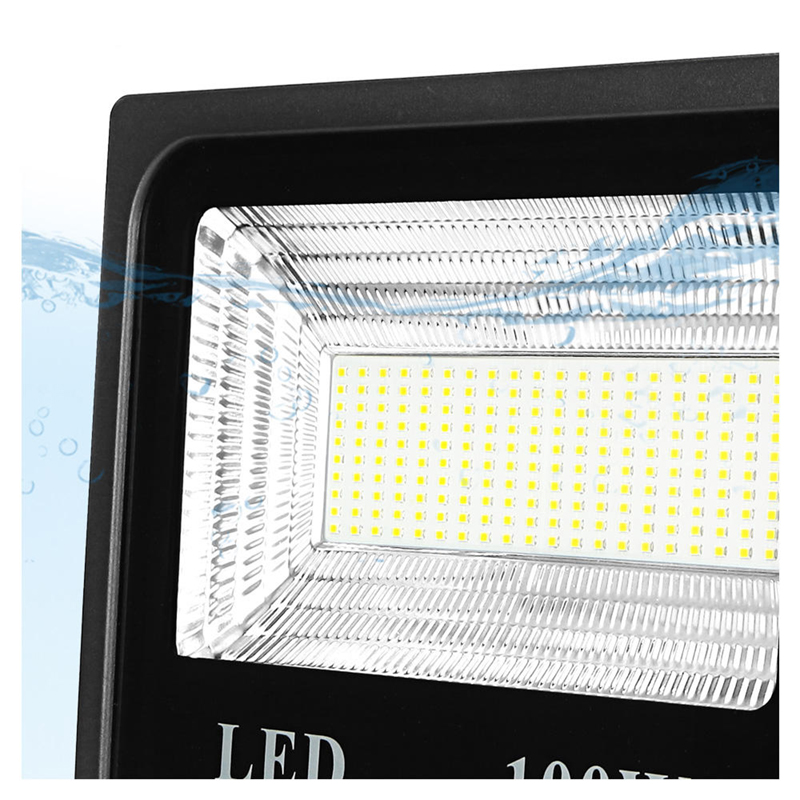
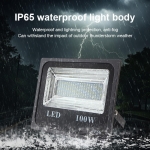
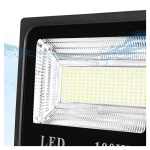
- IP65 Waterproof & Durable ConstructionDie-cast aluminum housing and tempered glass ensure strong resistance to water, dust, and harsh weather. Ideal for long-term outdoor use in factories, construction sites, parking lots, and landscapes.
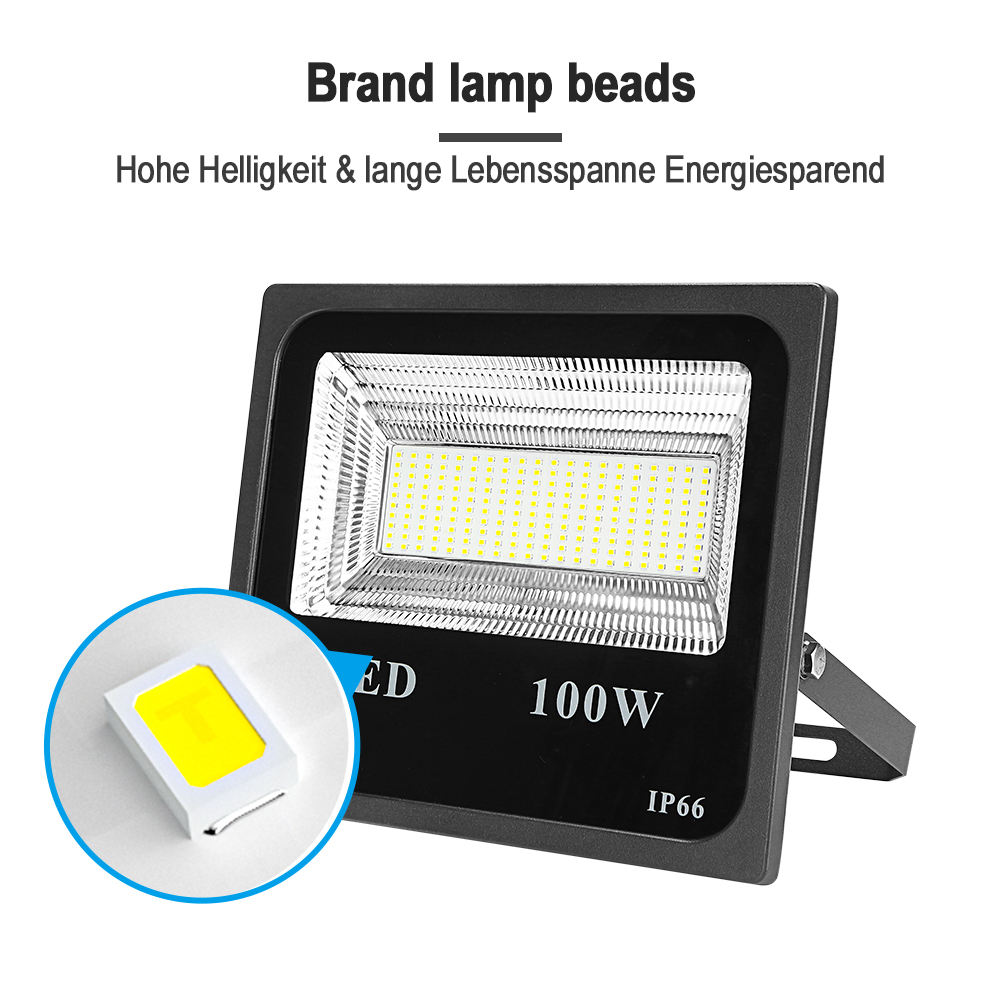
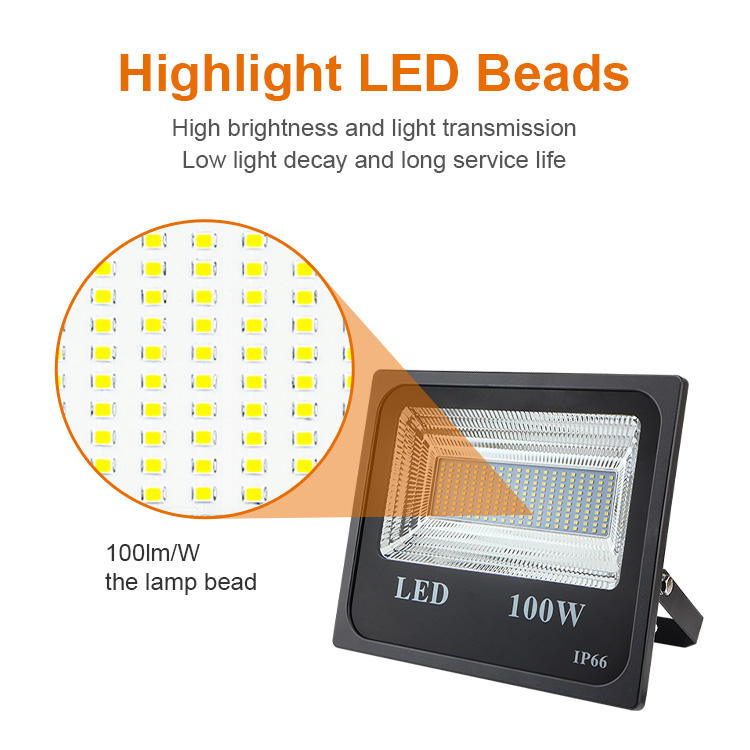
- High Brightness & Energy EfficientEquipped with high-quality LED chips, it delivers high luminous efficacy up to 90-120 lm/W, providing super bright illumination while reducing energy consumption significantly. Long lifespan up to 50,000 hours lowers maintenance costs.
- Optical Design OptionsAvailable with smooth mirror reflector for concentrated, long-distance projection and textured/prismatic diffusion lens for wide, soft, anti-glare lighting. Suitable for focused lighting or large-area floodlighting.
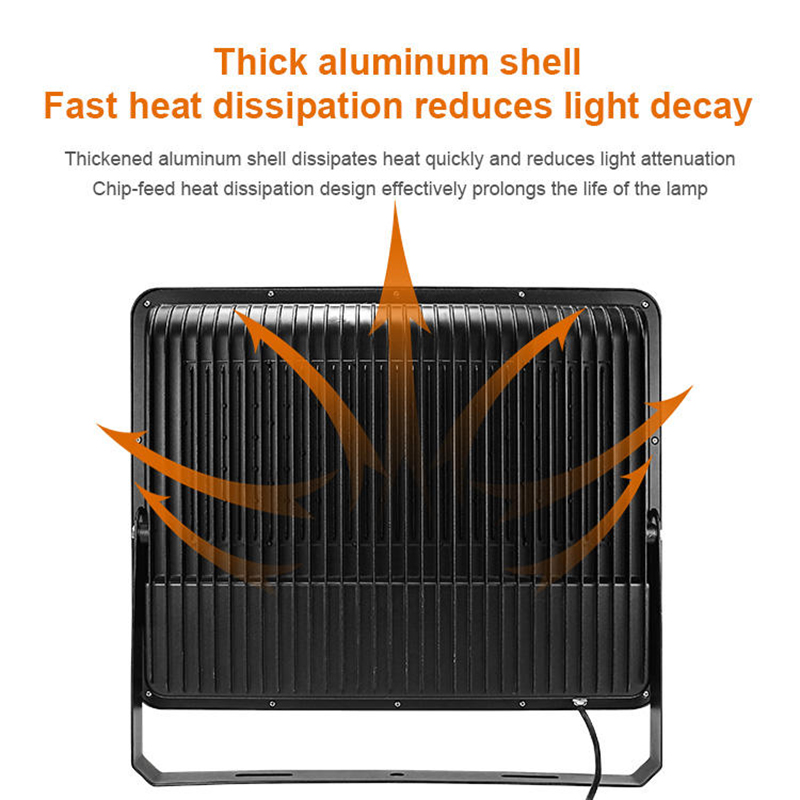
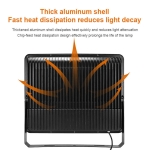
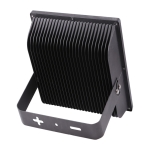
- Stable Performance & Easy InstallationEfficient heat dissipation system guarantees stable operation. Adjustable mounting bracket enables flexible light angle adjustment, supporting quick and convenient installation.